
Plumber, Pipefitter, Steamfitter
Plumbers, pipefitters and steamfitters install and maintain piping systems that move water, steam, chemicals and gases. Each role specializes in different systems: plumbers work on water, waste and gas lines in farms, homes and businesses; pipefitters handle high-pressure pipes for chemicals, steam or gases in industrial and food-processing facilities; and steam fitters focus on steam systems for heating or power in large operations. All three ensure piping systems are safe and function properly.
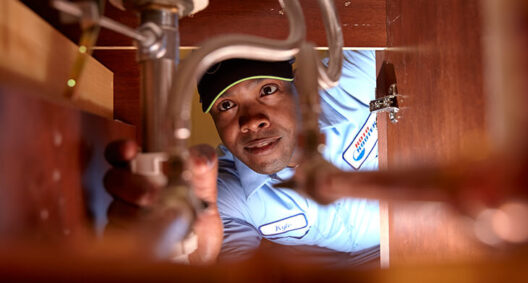
What Responsibilities Will I Have?
- Install and repair water, steam, chemical and gas piping systems
- Shut off fluids in pipe sections using valves or wrenches
- Read and interpret blueprints, technical drawings and building codes
- Mark positions for pipe installations, passage holes or fixtures using measuring tools
- Use hand or power tools to cut, thread, assemble and connect pipes
- Inspect systems for leaks, pressure and proper function
- Weld, solder or braze pipes and fittings
- Install valves, pumps and control systems
- Plan pipe layouts around structural or mechanical obstacles
- Test piping systems for safety and code compliance
- Supervise helpers and guide apprentices during installations and repairs
- Operate motorized pumps to remove water from flooded areas
- Keep records of work assignments, material use and project progress
- Collaborate with contractors, facility managers and other tradespeople
- Prepare cost estimates, material lists and project timelines
Recommended High School Courses
- agricultural education
- agricultural mechanics
- mathematics
- English
- physics
Education/Training Required
A high school diploma is required to become a plumber, pipefitter or steamfitter. Most employers also expect a four- to five-year apprenticeship that covers pipe installation, safety, tools and welding. Most states require licensing, and some have an additional license for gas line work.