
Industrial Engineer
Industrial engineers design and improve systems used in agricultural industrial manufacturing and processing, including workflow, equipment layout and production efficiency. They plan and optimize processes to ensure operations run smoothly while meeting industry and safety standards. By using data from farms and food processing facilities, they create solutions that streamline production and support sustainable agricultural practices.
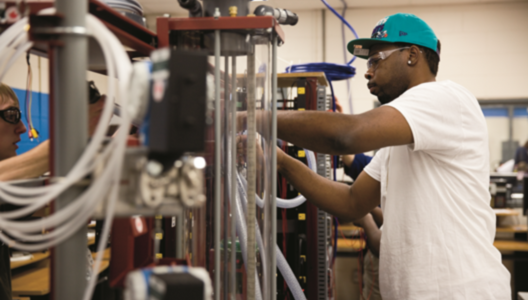
What Responsibilities Will I Have?
- Design and optimize manufacturing processes involving people, materials, equipment and energy
- Analyze workflows and data to improve efficiency
- Interpret and create blueprints and technical drawings for production use
- Manage process improvement projects within budget and scope
- Collect process and production data through observations, time studies and staff surveys
- Identify trends and develop quality improvement strategies
- Use simulation or modeling tools to test and optimize processes
- Document procedures and project results for future reference
- Install, test and maintain equipment and production systems
- Perform engineering tasks using computer-assisted tools and software
- Collaborate with teams to implement process improvements
- Ensure compliance with safety and industry regulations
- Communicate technical concepts and project progress to supervisors and stakeholders
- Direct industrial technicians and support project teams
Recommended High School Courses
- agricultural education
- agricultural mechanics
- mathematics
- chemistry
- computer skills
- physics
- English
Education/Training Required
Industrial engineers typically need a bachelor’s degree in industrial engineering or a related field, such as mechanical, electrical or agricultural engineering. Licensure is not required for entry-level positions, but advanced roles generally require a Professional Engineer (PE) license.