
Epidemiologist
Epidemiologists study patterns and causes of disease in humans, animals and food systems to protect community and agricultural health. They collect and analyze data to identify health risks, track outbreaks and develop ways to prevent disease. They communicate findings to health practitioners, policymakers and the public to guide evidence-based decisions.
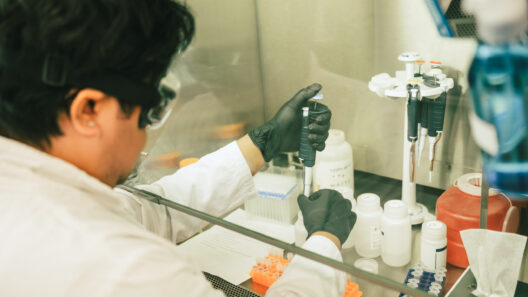
What Responsibilities Will I Have?
Design studies to track disease in crops, livestock and food systems
Conduct field and laboratory investigations on disease spread
Collect, analyze and interpret epidemiological data
Work with sick animals, patients or affected populations
Identify trends in disease outbreaks across regions and seasons
Support surveillance programs that detect early outbreak signals
Review scientific research to stay informed on emerging threats
Communicate findings to workers, policymakers and the public
Train and supervise technical and professional staff teams
Write grant proposals to secure research funding
Use statistical software and GIS tools to map outbreaks
Turn complex data into clear disease-prevention recommendations
Recommended High School Courses
The following high school courses are recommended: agricultural education, biology, chemistry, physics, statistics, mathematics and computer skills.
Education/Training Required
A master’s degree in epidemiology, biology, public health or a related field is required. However, some employers may require a doctoral degree, especially those that direct their own research projects.