Farrier
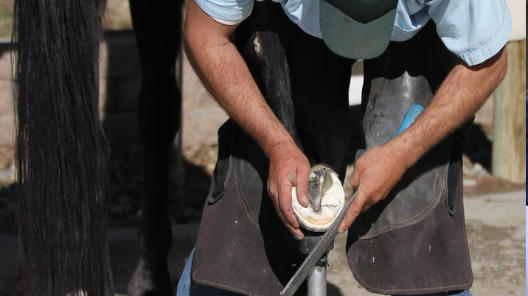
A farrier specializes in the hoof care of equine, such as horses, ponies, mules and donkeys. Typically, farriers clean, trim and shoe horses’ hooves to maintain the animal’s well-being and mobility. A farrier is expected to maintain proper animal treatment and to report to the animal owner or trainer if any issues are apparent.
What Responsibilities Will I Have?
- Trim horse hooves using equipment such as rasps and nippers
- Clean hooves and remove excess hoof walls and dead sole
- Observe hooves for signs of disease, poor health and lameness problems
- Intervene before a potential problem occurs with a horse’s hooves by alerting veterinary personnel
- Report any potential problems, diseases or symptoms of poor health to owner or trainer
- Perform basic therapy on horses’ lower limbs
- Fabricate or purchase horseshoes to fit horses as requested by owner
- Tailor horseshoes to the horse’s duties (riding, racing, working, etc.)
- Remove old shoes and replace them with new ones, using various techniques including hot or cold shoeing
- Adapt and adjust shoes through blacksmithing to ensure the right fit, if shoes are fabricated
- Purchase and utilize tools and supplies necessary for farrier duties, which typically include an anvil, anvil stand, nippers, forge stand, pullers, hammers, blades, tongs, rasps, gloves, knife sharpener, apron, hoof care accessories (nails, staples, pins) and premade horseshoes
- Maintain a calm and caring demeanor to effectively work with and comfort horses
- Perform grooming activities as requested or desired
- Handle billing and record keeping for clients, if self-employed
- Remain aware of equine industry trends
- Maintain proper animal treatment and adhere to all policies set in place to prevent injury to animals
Recommended High School Courses:
- agricultural education
- animal science
- industrial technology
- agricultural mechanics
- welding
- business
- mathematics
Education/Training Required:
A high school diploma is required to become a farrier. Additional training may be sought by attending farrier training or a collegiate farrier program. Optional farrier certification is available through farrier associations. Farriers should seek basic veterinary, blacksmithing and business knowledge.