
Especialista en Salud y Seguridad Ambiental (EHS)
Los especialistas en salud y seguridad ambiental (EHS) desarrollan e implementan programas que protegen a los trabajadores, a las comunidades y al medio ambiente. A través de una planificación y capacitación proactivas, desempeñan un papel fundamental en la reducción de las lesiones laborales y en la minimización de los riesgos ambientales. Ayudan a que los lugares de trabajo cumplan con las normas de seguridad y ambientales mediante la gestión de materiales peligrosos, residuos y el control de la contaminación.
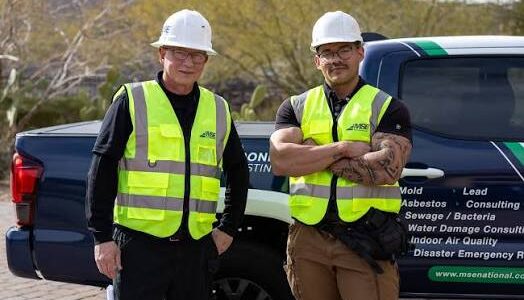
¿Qué responsabilidades tendré?
- Desarrollar y mantener las políticas y procedimientos de EHS
- Realizar auditorías de seguridad en el lugar de trabajo y evaluaciones de riesgos
- Supervisar el cumplimiento de las normas ambientales en materia de gestión del aire, el agua y los residuos
- Tener conocimientos sobre las normas de la OSHA, la EPA y las regulaciones gubernamentales
- Investigar incidentes y recomendar medidas correctivas
- Identificar los riesgos e implementar medidas de control
- Capacitar a los empleados en los protocolos de seguridad
- Supervisar la eliminación de residuos peligrosos y las medidas de prevención de la contaminación
- Elaborar informes para las agencias reguladoras y las partes interesadas internas
- Coordinar los planes de preparación y respuesta ante emergencias
- Analizar datos para identificar tendencias y mejorar el desempeño en materia de seguridad
- Evaluar los nuevos procesos, equipos o sustancias químicas para identificar posibles riesgos ambientales y de seguridad
- Colaborar con la administración para integrar el área de EHS en las operaciones
Cursos recomendados de la preparatoria
- educación agrícola
- empresa
- biología
- matemáticas
- química
- física
Formación académica/capacitación requerida
Los especialistas en salud, seguridad y medio ambiente (EHS) suelen necesitar una licenciatura en salud y seguridad ocupacional, higiene industrial, ciencias ambientales o ingeniería. Algunas empresas también prefieren candidatos con una maestría. Es posible que las empresas exijan una certificación en seguridad.